

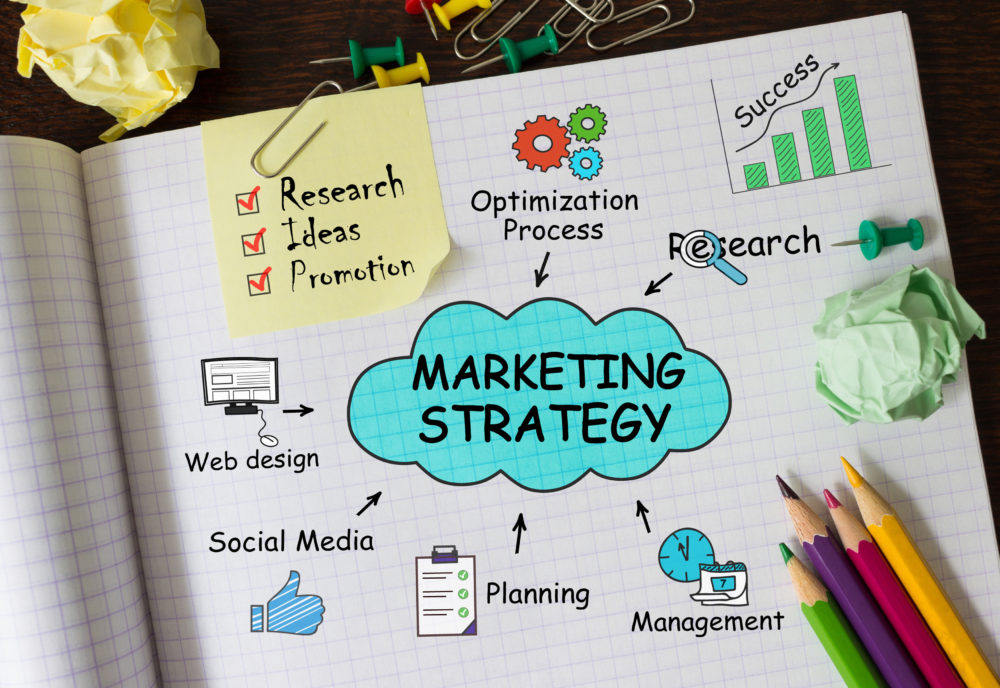
Modern business success relies on understanding customer behavior, preferences, and pain points. Guesswork and generalized assumptions are no longer sufficient when structuring high-performing growth campaigns. Organizations that capture, analyze, and act upon customer data hold a massive advantage: the ability to deliver precise, highly relevant marketing experiences that drive conversions and build lasting brand loyalty.
Refining a business marketing strategy through customer data goes beyond collecting email addresses or tracking web page visits. It involves building an integrated data ecosystem that translates raw behavioral signals into actionable strategic choices. By grounding marketing initiatives in empirical data, companies optimize ad spend, improve customer retention, and accelerate overall revenue growth.
The Foundation: Understanding Categories of Customer Data
To refine a marketing strategy effectively, leaders must first understand the distinct types of customer data available and how each contributes to a complete customer profile.
1. First-Party Data
First-party data is information collected directly from your audience through interactions across owned channels. This data carries the highest level of accuracy, privacy compliance, and strategic value.
-
Behavioral Data: Page views, content downloads, time spent on site, email open rates, and product click-through patterns.
-
Transactional Data: Historical purchases, average order value, purchase frequency, renewal rates, and subscription tiers.
-
Declared Data: Information provided directly by users through onboarding surveys, account preferences, contact forms, and support tickets.
2. Second-Party Data
Second-party data is essentially another organization’s first-party data acquired through direct business partnerships. For example, a high-end luggage manufacturer might partner with an upscale hotel chain to share anonymized co-marketing campaign data. This enables businesses to gain insights into relevant adjacent audiences without relying on opaque data brokers.
3. Third-Party Data
Third-party data is aggregated from multiple external sources by independent data providers. While it offers scale for broad awareness campaigns, third-party data lacks the precision and trust of first-party data. With increasing privacy regulations and browser limitations on third-party tracking, modern marketing strategies rely progressively less on third-party datasets.
Core Steps to Refine Your Marketing Strategy Using Data
Converting customer data into revenue requires a structured workflow. Without a systematic process, organizations risk drowning in data points while starving for actionable insights.
Step 1: Establish Robust Data Governance and Collection
The quality of your strategic insights depends directly on the quality of your underlying data. Garbage in results in garbage out.
-
Implement Centralized Data Storage: Consolidate isolated data points from email tools, e-commerce platforms, customer support systems, and web analytics into a unified Customer Data Platform or Centralized CRM.
-
Ensure Strict Privacy Compliance: Align collection methods with international data privacy laws such as GDPR and CCPA. Explicit consent and transparent privacy policies build fundamental consumer trust.
-
Maintain Data Hygiene: Regularly clean databases to eliminate duplicate records, correct formatting errors, and purge inactive, unengaged entries.
Step 2: Develop Dynamic Customer Segmentation
Broad target demographics like “professionals aged 30 to 50” are too vague for modern campaigns. Dynamic segmentation groups customers by real-time behavioral signals, shared preferences, and lifecycle stages.
-
Recency, Frequency, and Monetary Analysis: Categorize customers based on how recently they purchased, how often they buy, and how much they spend. This isolates your most valuable champions from at-risk accounts needing re-engagement.
-
Lifecycle Stage Segmentation: Differentiate communication strategies between brand-new site visitors, active prospects, first-time buyers, repeat clients, and inactive accounts.
-
Psychographic and Needs-Based Grouping: Segment users based on specific problems solved, features used, or preferred communication channels.
Step 3: Personalize Customer Journeys at Scale
Once segmentations are established, customer data enables precise personalization across every digital touchpoint. Personalization extends beyond simply inserting a recipient’s first name into an email subject line.
-
Behavior-Triggered Automations: Send automated, highly relevant messages based on specific user actions, such as abandoned cart reminders, post-purchase onboarding sequences, or feature engagement tips.
-
Dynamic Website Content: Display tailored landing page banners, customized case studies, or personalized product recommendations based on a visitor’s industry or past browsing history.
-
Tailored Retargeting Campaigns: Present specific ad creatives on social channels that directly reflect items or solutions a prospective buyer viewed on your site.
Step 4: Map Predictive Analytics to Lifetime Value
Advanced data strategies move beyond analyzing past performance to predicting future behavior. Predictive analytics uses historical data trends to forecast future customer choices.
-
Predicting Churn Risk: Identify early warning indicators—such as declining login frequency or decreased email interaction—and trigger automated retention workflows before the customer cancels.
-
Optimizing Cross-Sell and Up-Sell Timing: Analyze past purchasing sequences to determine the exact timeframe when a customer is most likely to upgrade or purchase a complementary product.
-
Estimating Customer Lifetime Value: Calculate long-term account value early in the acquisition funnel, allowing marketing teams to bid higher for high-value leads while maintaining healthy acquisition margins.
Measuring Performance Through Closed-Loop Attribution
A data-driven strategy requires continuous evaluation. Closed-loop marketing attribution links specific marketing initiatives directly to final revenue outcomes, proving exact campaign impact.
Moving Beyond Vanity Metrics
Surfacing genuine marketing ROI requires focusing on bottom-line impact rather than vanity engagement metrics.
-
Vanity Metrics: Social media likes, raw page views, post impressions, and generic ad clicks.
-
Strategic Impact Metrics: Customer acquisition cost, customer lifetime value, lead-to-opportunity conversion rates, average order value, and pipeline velocity.
Choosing the Right Attribution Model
Attribution models assign revenue credit to different customer touchpoints throughout the buyer journey.
-
First-Touch Attribution: Gives full revenue credit to the initial channel that brought the prospect into your ecosystem. Useful for evaluating brand awareness initiatives.
-
Last-Touch Attribution: Gives full credit to the final touchpoint before conversion. Useful for evaluating high-intent sales assets.
-
Multi-Touch Attribution: Distributes revenue credit across multiple touchpoints throughout the buyer lifecycle. Provides the most balanced view of complex buying journeys.
Overcoming Common Data-Driven Marketing Obstacles
While customer data provides incredible strategic leverage, executing a data-driven strategy presents distinct operational challenges.
Eliminating Organizational Data Silos
In many enterprises, customer data remains trapped in isolated departmental tools. Sales uses one system, marketing another, and customer support a third. Establishing unified platform integrations ensures that all departments operate from a single, accurate view of the customer.
Avoiding Analysis Paralysis
Collecting millions of data points can easily overwhelm decision-makers. Focus on three to five core strategic questions at a time. Define the specific metric you want to improve, gather the relevant data subset, test hypotheses through structured experiments, and implement findings before moving to the next dataset.
Frequently Asked Questions
How much customer data does a business need before refining its marketing strategy?
A business does not need massive big data databases to start. Even small datasets, such as purchase histories from two hundred core customers or basic email engagement metrics, can reveal significant purchasing patterns, optimal messaging hooks, and ideal customer demographics for early strategic adjustments.
What is the safest way to collect customer data without alienating privacy-conscious users?
The best approach is zero-party data collection, where users voluntarily share preferences in exchange for clear value. Interactive quizzes, preference management centers, and quick onboarding surveys allow customers to share details explicitly because they immediately receive a tailored, higher-quality experience.
Which tools are essential for managing and analyzing customer data?
A complete modern stack includes a central Customer Relationship Management tool, a web and event analytics platform, an automated email marketing system, and a centralized reporting dashboard or Customer Data Platform to sync data across channels smoothly.
How often should a company update its audience segmentations?
Basic static segments should be evaluated quarterly, but modern marketing automation systems use dynamic segmentation. Dynamic segments automatically update in real time as user behaviors, purchase histories, and engagement signals change.
How can small businesses compete with large enterprises in data-driven marketing?
Small businesses can compete effectively because they possess greater operational agility. While large enterprises struggle with complex legacy systems, small businesses can quickly implement unified modern software tools, analyze direct customer interactions, and test personalized campaigns in days rather than months.
What is the difference between implicit and explicit customer data?
Explicit data consists of information intentionally provided by the customer, such as form answers, survey responses, or direct communication. Implicit data consists of behavioral signals observed automatically, such as page visit duration, click patterns, location data, and browsing paths.
How do you measure if a data-driven strategy revision was successful?
Strategy revisions are verified by tracking changes in primary business metrics over a defined period. Key success indicators include reduced customer acquisition costs, higher conversion rates on targeted landing pages, increased repeat purchase rates, and overall growth in customer lifetime value.