

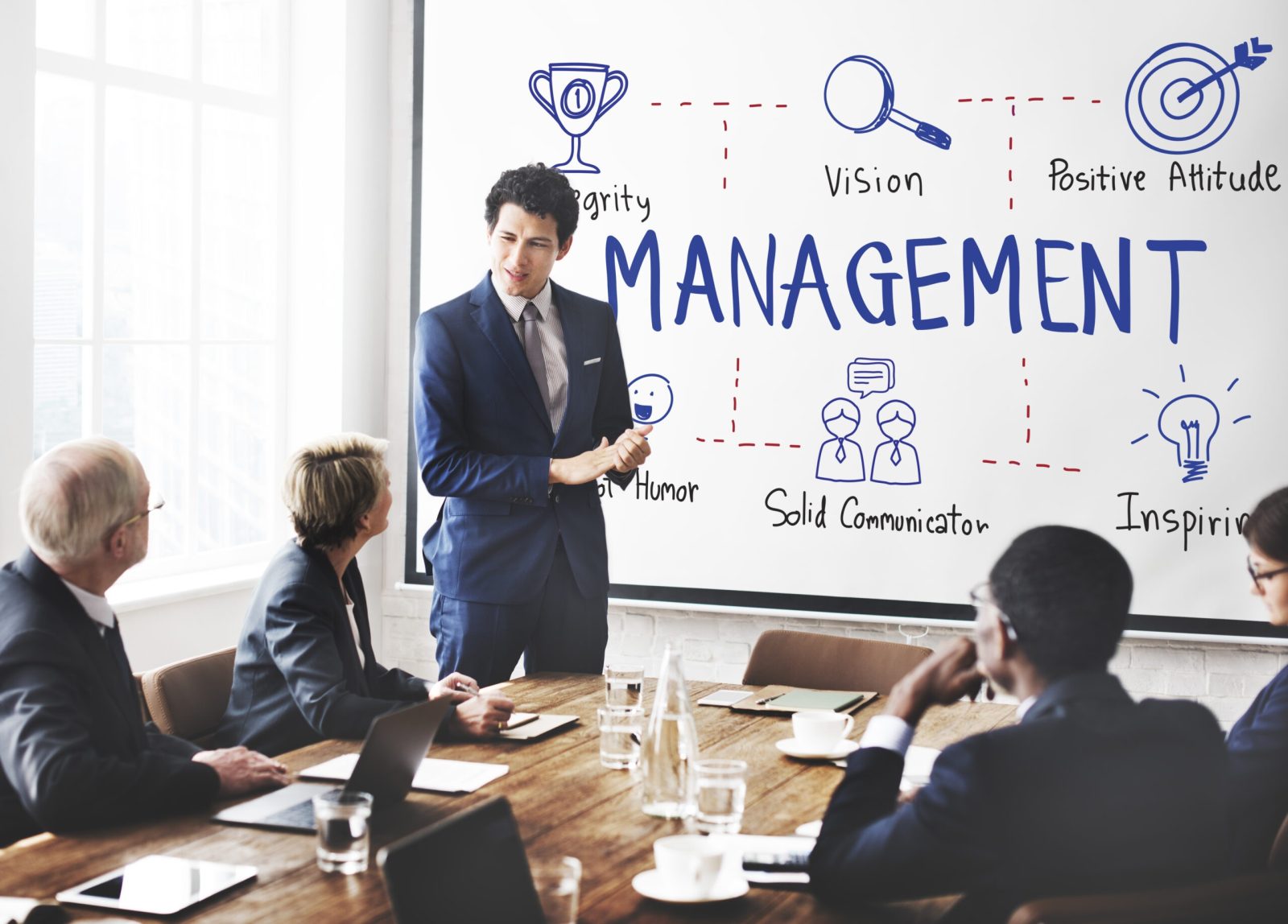
Understanding Management
Management is the strategic process of coordinating people, resources, and activities to achieve organizational goals efficiently and effectively. It blends leadership, planning, and decision-making to ensure that a business operates smoothly while adapting to constant change. Successful management requires clear direction, strong communication, and the ability to motivate individuals toward shared objectives.
Core Functions of Management
1. Planning
Planning involves setting priorities and outlining the steps needed to reach goals. Effective planning:
- Establishes long-term and short-term objectives
- Identifies resources and timelines
- Anticipates risks and prepares solutions
It serves as the foundation for all other management activities.
2. Organizing
Organizing arranges people and tasks in a structured way. This includes:
- Allocating resources
- Defining roles and responsibilities
- Building workflows and systems
When organizations are well-structured, productivity and clarity increase.
3. Leading
Leading focuses on guiding and inspiring teams. Strong leadership includes:
- Clear communication
- Motivating employees
- Encouraging innovation
Leaders influence culture and drive collaboration across all departments.
4. Controlling
Controlling ensures that performance aligns with expectations. It includes:
- Monitoring progress
- Comparing results with goals
- Implementing corrective measures
This function maintains quality, efficiency, and overall organizational stability.
Key Principles of Effective Management
Clear Goal Alignment
Managers must ensure that every team member understands the organization’s mission and how their work contributes to it.
Accountability
A culture of accountability promotes responsibility, boosts performance, and encourages transparent communication.
Adaptability
Modern markets shift quickly, so managers must adjust strategies, adopt new technologies, and respond to external changes.
Decision-Making
Effective managers analyze information, evaluate alternatives, and make decisions that support long-term success.
Team Collaboration
Collaboration fosters creativity and problem-solving. Managers must cultivate trust and encourage open dialogue.
Modern Approaches to Management
Agile Management
Agile emphasizes flexibility, teamwork, and iterative progress. It is popular in tech-driven industries but now used widely across sectors.
Data-Driven Management
Data helps managers understand trends, measure performance, and make informed choices that minimize guesswork.
Remote & Hybrid Management
With the rise of remote work, managers are adopting:
- Virtual collaboration tools
- Digital performance tracking
- Flexible scheduling
These approaches ensure productivity while supporting employee well-being.
Sustainable Management
Businesses increasingly focus on environmental and social responsibility. Sustainable management builds trust and strengthens brand reputation.
Why Management Matters
Strong management determines whether an organization thrives or struggles. It shapes workplace culture, influences productivity, and guides the organization during periods of growth or uncertainty. Ultimately, management provides structure, direction, and purpose, ensuring that goals are met efficiently while maintaining a positive work environment.
FAQs
1. What skills are essential for effective managers?
Key skills include communication, leadership, problem-solving, time management, and decision-making.
2. How does management differ from leadership?
Management focuses on processes and structure, while leadership centers on inspiration and vision. Both complement each other.
3. Why is planning considered the first function of management?
Planning lays the groundwork by defining objectives and outlining how they will be achieved, guiding all other functions.
4. What challenges do modern managers face?
Rapid technological changes, remote workforce management, employee retention, and increased competition are common challenges.
5. How does organizational culture affect management?
Culture influences employee behavior, motivation, and performance, shaping how management strategies are implemented.
6. What is the role of technology in management?
Technology improves communication, automates tasks, enhances data analysis, and supports efficient decision-making.
7. Can management styles impact employee performance?
Yes, supportive and inclusive management styles increase morale and engagement, leading to better performance.